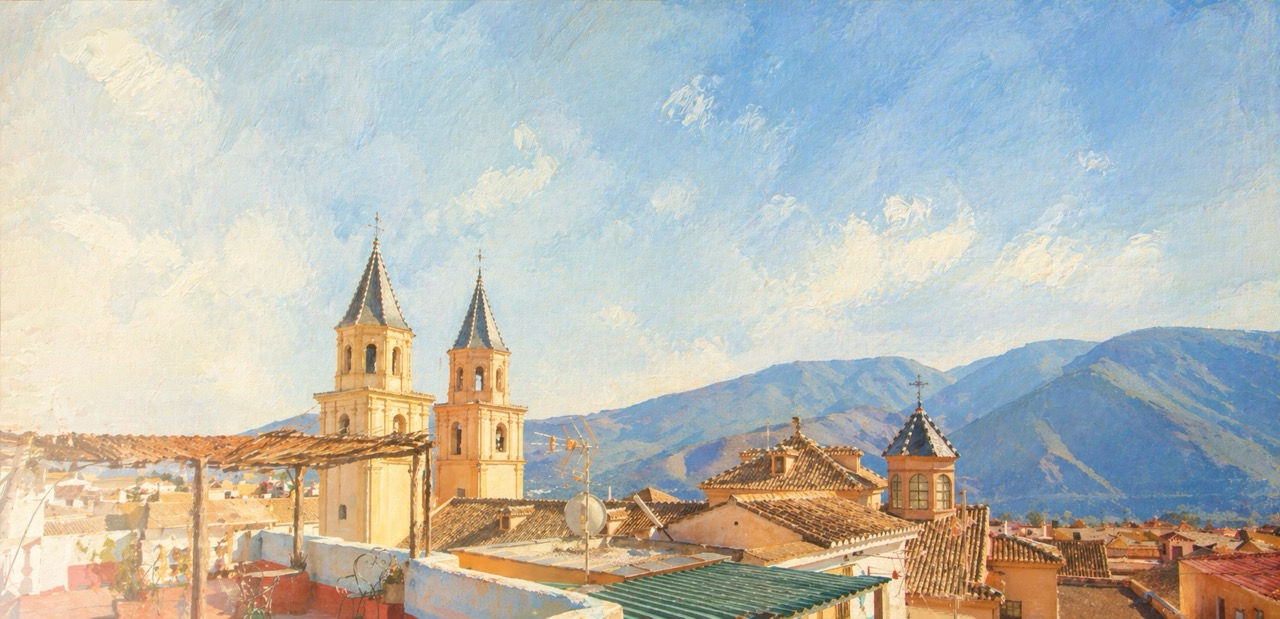
Órgiva, Spain: The Hippie Heart of La Alpujarra | Ananda's Mundo
There is a bar in Órgiva where, on a normal Tuesday, you can find a Dutch bodyworker, a flamenco guitarist from Granada and a retired architect from Berlin arguing — politely, at length — about compost. Nobody finds this strange. That is the whole point of the town.
Órgiva is a small town in the province of Granada, in the western part of La Alpujarra, the mountain region that folds down from the Sierra Nevada towards the Mediterranean. It sits at around 450 metres, on the river Guadalfeo, about an hour from Granada and about forty minutes from the coast. On paper it is an ordinary Andalusian market town.
In practice it has been, for half a century, the alternative capital of southern Spain.
Why here, of all places?
Three things came together.
The mountains have always been a refuge. The Alpujarras were the last strongholds of the moriscos — Muslims forcibly converted to Christianity in the 16th century — who were finally expelled in 1609. When the villages emptied, the land was cheap and the mountains were hard to reach. A place that has absorbed one wave of people who did not fit in tends to be tolerant of the next.
The 1960s and 70s did the rest. Cheap land, a mild climate, cheap living and a town that did not make a fuss about long hair: word spread along the traveller trail from Morocco and Ibiza. People arrived, bought ruined farmhouses for very little money, and stayed.
And they built communities instead of just houses. Three of them are still part of daily life in the valley:
Beneficio, up towards Cañar — the oldest and best known
Cigarrones, in the riverbed below Tablones
El Morreón, further up the valley
These are not tourist attractions and they are not theme parks. They are places where people live — off-grid in many cases, with solar panels, compost toilets, vegetable gardens, home schooling and a deep suspicion of anyone who arrives with a drone. More than 60 nationalities are registered in the municipality, and a good part of them are here for exactly this reason.
What that actually looks like on a Tuesday
Órgiva is not a museum of the 1960s. It is a working town where the alternative layer sits inside normal life, and that mixture is what makes it interesting.
Food. Traditional bars with jamón and café con leche, side by side with vegetarian kitchens, wholefood shops, and a serious amount of kombucha for a town of a few thousand people.
Bodywork and therapies. Massage, acupuncture, reiki, breathwork, yoga on rooftops — the offer is dense and mostly word-of-mouth.
Art. Painters, ceramicists, jewellers, photographers, writers. In summer there are exhibitions in the plaza and open studios in the valley.
Music. Flamenco is the local tradition, but the town has been a gathering point for musicians of every other kind for decades. There is live music most weekends: acoustic sets in bars, DJ nights in the carpa municipal, jam sessions that start at ten and end when the last person gives up.
Thursday: market day
If you only have one day in Órgiva, come on a Thursday. The weekly market runs through the morning (roughly 9:00 to 13:30) in the municipal car park in the northern part of town, and it is the social heart of the week: fruit and vegetables, shoes, tools, clothes, cheese, olives, and around the edges handmade jewellery and craft stalls that reflect exactly the crowd this town attracts.
People come down from the villages for it. Farmers, commune dwellers, holiday-home owners, teenagers, grandmothers, a surprising number of dogs. There is also a smaller artisan market around the plaza.
When things get loud
The party season in Órgiva runs from late spring into autumn, and it is genuinely good:
Festival Flamenco Ciudad de Órgiva — the long-established summer cultural highlight
The annual artisan products fair
Music nights in the Plaza de las Culturas
Feria — the town's own fiesta, with all the noise and processions that implies
Private events, concerts and workshops in the valley almost every weekend in high season
Who you meet
The people who end up in Órgiva usually have a story about how they ended up in Órgiva. Musicians who came for a week in 1989. Artists who wanted to work without explaining themselves. Writers, healers, teachers, builders, ex-academics, people who left a city and never went back, and their children, who mostly speak better Spanish than their parents.
Can you stay a while?
Yes — and it is cheaper than most of Europe assumes. Órgiva is a real town with real rents, a health centre, supermarkets, a bus to Granada and a road that gets you to the beach in under an hour. That is why it works for winters, not just weekends: people come for two weeks and stay for three months.
The practical version: come in spring or autumn if you want the best weather and the most going on. Winter is mild and quiet — many long-stay visitors arrive in November and leave in March. Summer is hot, loud and sociable, and book early because the town fills up.
Staying in the middle of it
Ananda's Mundo is a guesthouse, hidden garden and craft shop on Calle Cristo de la Expiración, in the centre of Órgiva — two minutes from the plaza, five from the Thursday market.
Rooms with high ceilings and rooftop views, a garden where we cook Eritrean food (vegan options are always available), fresh juices, smoothies and homemade kombucha, and a craft shop full of Asian and African crafts, clothes and wellness products. We take guests for a night, a week or a whole winter, and we host live music and community evenings downstairs.
Rooms and prices: see our rooms
Staying for weeks or months: long stays in Órgiva
What's on: events in the house
Fastest way to reach us: WhatsApp +34 681 921 825
Written by the team at Ananda's Mundo, Órgiva — welcoming travellers, musicians and artists to La Alpujarra since 2002.
Comments