How to Get to Órgiva from Granada & Beyond
Why Órgiva
Learning how to get to Órgiva is the first step toward exploring a place where mountain terrain meets an extraordinary crossroads of cultures. Órgiva sits at around 450 metres above sea level, on the river Guadalfeo, in the western Alpujarra. The geographical setting shapes the character of the town.
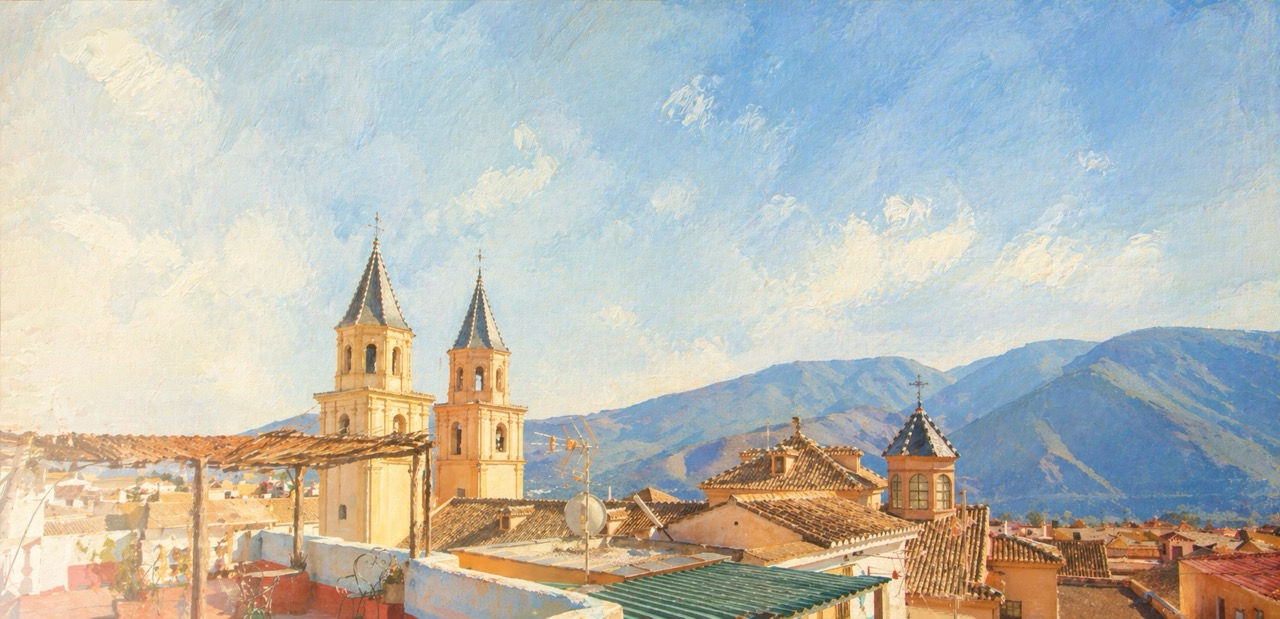
High above the valley floor, the rugged slopes of the Sierra Nevada ridge rise toward the sky, holding white snow caps late into the year while the valley below remains mild, filled with olive trees, lemon groves, and tall eucalyptus trees along the watercourses.
The town serves as the main crossroads and meeting point for the entire valley. More than 60 nationalities are registered in the municipality, creating a community where traditional Andalusian olive growers live alongside European travellers, musicians, artists, craft makers, and winter residents. Since the 1970s, three alternative communities have been part of the valley floor and nearby slopes: Beneficio (towards Cañar), Cigarrones (in the riverbed below Tablones), and El Morreón. You can read more about this history in our guide to [[orgiva-alternative-communities]].
Because of this unique blend, coming into town is not quite like arriving in a typical Spanish rural village. People come here to rest, create, trade crafts, and enjoy a pace of life dictated by the sun and the mountains. Whether you arrive for a short getaway or a long stay in the colder months, reaching the valley is a memorable transition from the fast roads of the lowlands to the winding paths of the highlands.
The essentials: how to get to Órgiva
Getting your bearings before setting off makes the trip effortless. Granada is about an hour away by road, making the city a primary transit hub for travellers heading south into the hills. If you are approaching from the coast, the Mediterranean beaches of Motril and Salobreña are roughly 40 minutes away to the south.
The approach routes showcase two distinct sides of Andalusian geology. Coming from the north, you travel south from the city of Granada on the main highway toward the coast, turning off into the mountains as the gorge opens up near the entrance to the valley. The road threads through limestone canyons before descending gently toward the Guadalfeo river basin.
From the south, the road climbs up from the coastal plain, rising through dry, sunlit hills before dropping into the leafy basin around town.
Public coaches run between Granada, the coastal towns, and the regional hub of Órgiva, dropping passengers off right near the town centre. Drivers will find clear signage along the main roads, though once inside the town itself, navigating narrow residential streets requires a patient approach.
What actually happens
The journey into the western Alpujarra shifts noticeably as you leave the coastal highways or the city periphery behind. As the elevation changes, the air grows cooler and drier, carrying the scent of pine, dry earth, and sweet blossom depending on the month of your trip.
Traveling by road from Granada or the coast
When driving from Granada, the journey takes about an hour along well-maintained roads. You travel past rolling hills covered in olive trees and almond groves before entering the mountain approaches. The road gradually curves along the edge of steep river ravines, offering wide views across the valley floor.
If you travel by public coach from Granada, the bus leaves the main city station and traces this same mountain route. The journey offers generous views through large windows, allowing you to relax while a professional driver handles the sweeping mountain curves. The coach winds past hillside settlements and stone bridges before slowing down as it reaches the central stop in town.
Coming from the coast near Motril or Salobreña takes roughly 40 minutes. The ascent offers views of deep gorges where terraces built generations ago still cling to the hillside. Orange trees and citrus gardens become more frequent as you descend into the river basin around the Guadalfeo.
Arriving and exploring the area
When you enter town, the road layout reflects centuries of history. Streets in the older quarters were built for foot traffic, mules, and small carts rather than modern automobiles. Visitors arriving by car usually find it best to park in one of the open parking areas on the edge of the centre rather than venturing down narrow residential lanes where side mirrors can easily graze whitewashed walls.
Once your transport is settled, walking is the finest way to reach your accommodation. Streets like Calle Cristo de la Expiración wind gently through the town, lined with small shops, historic doorways, and quiet courtyards hidden behind wooden gates.
From your base in town, exploring the higher mountains is straightforward. The Poqueira villages — Pampaneira, Bubión, Capileira — are an easy day trip higher up the slopes, offering stone streets and craft shops clinging to the edge of the gorge. Further east, Trevélez is one of the highest villages in Spain and known for its jamón, cured in the cool, crisp mountain air. If you plan to head further into the hills, our guide to day-trips-from-orgiva provides detailed ideas for your itinerary.
Three things locals do differently
Living in a mountain valley creates a specific way of moving through the week. Visitors who adopt these local habits find their journeys smoother and far more enjoyable.
1. Leave the car on the edge of the centre
Locals know that driving through the narrow historic streets in the centre of town is rarely worth the stress. Parking in the open parking areas on the outer edges allows you to walk everywhere in town within a few minutes. Walking through the narrow streets lets you hear the water flowing through stone channels, smell fresh baking from village bakeries, and notice small artisan shops you would completely miss from inside a vehicle.
2. Time your arrival around market day rhythm
Weekly routines in town revolve around market day. The weekly market is on Thursday morning, in the municipal car park in the northern part of town, traditionally running from about 9:00 to 13:30. On Thursday mornings, traffic near the northern car park increases as local farmers, artists, and shoppers arrive from across the valley. You can find out more about what to expect in our overview of the weekly-market-orgiva. If you arrive on a Thursday, park early or choose a parking spot on the southern side of town to avoid market traffic.
3. Let faster traffic pass on mountain roads
Mountain driving requires a relaxed mindset. Local drivers, delivery vans, and farm trucks know every turn of the road and often travel faster than visitors taking in the scenery. When driving along the road from Granada or climbing from the coast, locals make good use of the wider pull-off areas to let quicker vehicles pass smoothly. Taking your time allows you to keep your eyes on the road while enjoying the dramatic mountain views at a comfortable, safe speed.
When to come
The valley experiences marked seasonal changes, each offering distinct advantages for travellers planning their route into the mountains.
Hot summers and evening music
Summers are hot and sociable. During the middle of the day, the sun warms the valley floor, encouraging a quiet afternoon rest indoors or under shaded vines. As the heat wanes in the late afternoon, the town comes alive. The Festival Flamenco Ciudad de Órgiva takes place during the warm months, and music fills the Plaza de las Culturas late into the night. Driving up into the higher Poqueira villages offers a quick escape to cooler mountain temperatures during peak summer days.
Mild winters beneath snowy peaks
Winters are mild in the valley, sheltered as it is from northern winds by the high mountain wall. Snow covers the Sierra Nevada above the town, creating a striking visual contrast with the green orange groves and blooming flora along the river Guadalfeo below. Long-stay winter visitors often arrive between November and March to enjoy sunny, clear winter days that are far warmer than Northern Europe. Roads remain open and quiet throughout the winter season, making transit straightforward.
Spring and autumn light
Spring and autumn bring pleasant temperatures ideal for walking, sightseeing, and mountain driving. Spring clothes the hillside in blossoms and greenery fed by melting mountain snow, while autumn fills local stalls with fresh harvests of figs, olives, and chestnuts. Road conditions during these bridge seasons are exceptionally pleasant for those exploring by car or coach.
Where to stay in Órgiva
Ananda's Mundo has welcomed guests since 2002. Located on Calle Cristo de la Expiración 4, it offers rooms with high ceilings and rooftop views for short and long stays, alongside a hidden garden, Eritrean food with vegan options, fresh juices, smoothies, homemade kombucha, a craft shop with Asian and African crafts, and live music downstairs. To check availability and plan your journey into the valley, view our options at https://www.orgivarooms.com/rooms or contact us directly on WhatsApp +34 681 921 825.
Conclusion
The road into the Guadalfeo valley is more than just a route from one point to another; it is the entryway into a distinctive, unhurried way of life. As you descend into the valley and see the snow-capped peaks rising above green olive groves, the noise of highway traffic gives way to mountain breeze and local life. Take your time along the curves, park near the edge of town, and step into the welcoming rhythm of the Alpujarra.
Comments