Walks Orgiva: Gentle Routes for Slow Mornings
Why Órgiva
Morning in the valley begins with the sound of moving water running through irrigation channels. Long before midday heat settles over the lower slopes, setting out on morning walks Orgiva provides a calm way to experience the rural countryside. Órgiva sits at around 450 metres on the river Guadalfeo in the western Alpujarra. This lower elevation creates a milder climate than that of the high mountain villages further up the Sierra Nevada, making early mornings ideal for exploring on foot.
Walking at an unhurried pace allows you to observe details that fast travel misses. You hear dry eucalyptus leaves rustling overhead, pass stone farmhouses with strings of red peppers drying from timber rafters, and watch morning light shift across the mountain walls above town. The valley hosts residents from more than 60 nationalities, and its tracks link small family orchards, traditional rural hamlets, and long-standing alternative settlements.
While high-elevation hiking Alpujarra trails pull ambitious trekkers up steep ravines toward high summits, the paths around Órgiva remain gentle and approachable. These routes follow quiet dirt lanes, shaded irrigation channels, and wide riverbeds. They give you space to walk comfortably and return to town in time for mid-morning coffee or lunch.
The essentials
Planning a morning stroll around the valley requires very little preparation, but a few practical habits will make your outing comfortable.
Timing: Start early, particularly between late spring and early autumn. Early morning hours bring crisp air, soft light, and comfortable temperatures before direct sunlight warms the valley floor.
Footwear and gear: Light trail runners or sturdy walking shoes handle these routes well. Soil paths can be dusty in dry summer months and slightly muddy after winter rain, but none of these routes require heavy alpine boots. Pack a refillable water bottle, sun cream, and a wide-brimmed sun hat.
Orientation: The town lies in a wide basin below the mountains. The river Guadalfeo flows along the southern side of the valley floor, while tracks toward Cañar and the high villages ascend the northern slopes. Keeping the high mountain ridgeline in view makes navigating straightforward.
Combining with local events: Planning a walk for Thursday morning allows you to end your loop near the municipal car park at the northern edge of town. The weekly market operates there traditionally from about 9:00 to 13:30, offering fresh regional vegetables, fruit, local crafts, clothing, and food stalls.
Regional context: Órgiva sits at a geographical crossroad. Granada is about an hour away by road to the north, while the Mediterranean coast at Motril and Salobreña is roughly 40 minutes to the south. If you wish to extend your exploration beyond the immediate valley, an easy day trip takes you higher into the mountain landscape to the Poqueira villages of Pampaneira, Bubión, and Capileira, or to Trevélez, one of the highest villages in Spain and known for its jamón. For more ideas on regional excursions, read our guide on [[day-trips-from-orgiva]].
What actually happens: walks Orgiva routes
These six gentle routes explore different corners of the valley landscape around town. Each path reveals a distinct environment, from ancient water channels to riverbed tracks and orchard lanes.
1. The Guadalfeo river walk
The guadalfeo river walk leads south from town down toward the wide bed of the river Guadalfeo. The path follows flat gravel tracks and dirt lanes running parallel to the water stream. Dense thickets of wild cane, willows, and flowering oleander line the banks, creating habitats for small birds.
The sound of rushing water replaces town sounds as you move along the gravel floor. On clear mornings, you can look back across the riverbed to see the white buildings of Órgiva set against the dark green foothills of the Sierra Nevada. The track remains flat underfoot, offering an easy, grounding stroll to start your morning.
2. The Acequia loop through ancient olive groves
Centuries-old irrigation ditches, known locally as acequias, run along the valley slopes. This path leads along narrow earthen tracks alongside stone-lined channels that carry water to plots of olive, fig, and pomegranate trees.
Water flows steadily alongside the single-track path, keeping the air cool under the shade of overhanging branches. You pass ancient olive trees with thick, twisted trunks that have produced olives for generations. Because the path follows the slow gradient of the water channel, elevation gains are minimal, allowing an even and relaxed pace.
3. The riverbed path toward Cigarrones
Following lower agricultural tracks down toward the river area brings you near Cigarrones, situated in the riverbed below Tablones. Three alternative communities have been part of the valley since the 1970s: Beneficio (towards Cañar), Cigarrones, and El Morreón.
This path moves along sandy dirt tracks between stone farmsteads, small organic market gardens, and handmade homes framed by tall bamboo and eucalyptus groves. The terrain is flat and gravelly. It is a peaceful stretch of countryside where you may see local growers tending vegetable beds or passing quietly on bicycles.
4. The foothill track toward Beneficio and Cañar
For walkers looking for a slight upward gradient without steep mountain climbing, the northern tracks climbing toward Cañar provide wide views across the valley basin. This lane ascends gradually through small terraced farm plots toward the area where Beneficio sits higher on the slope.
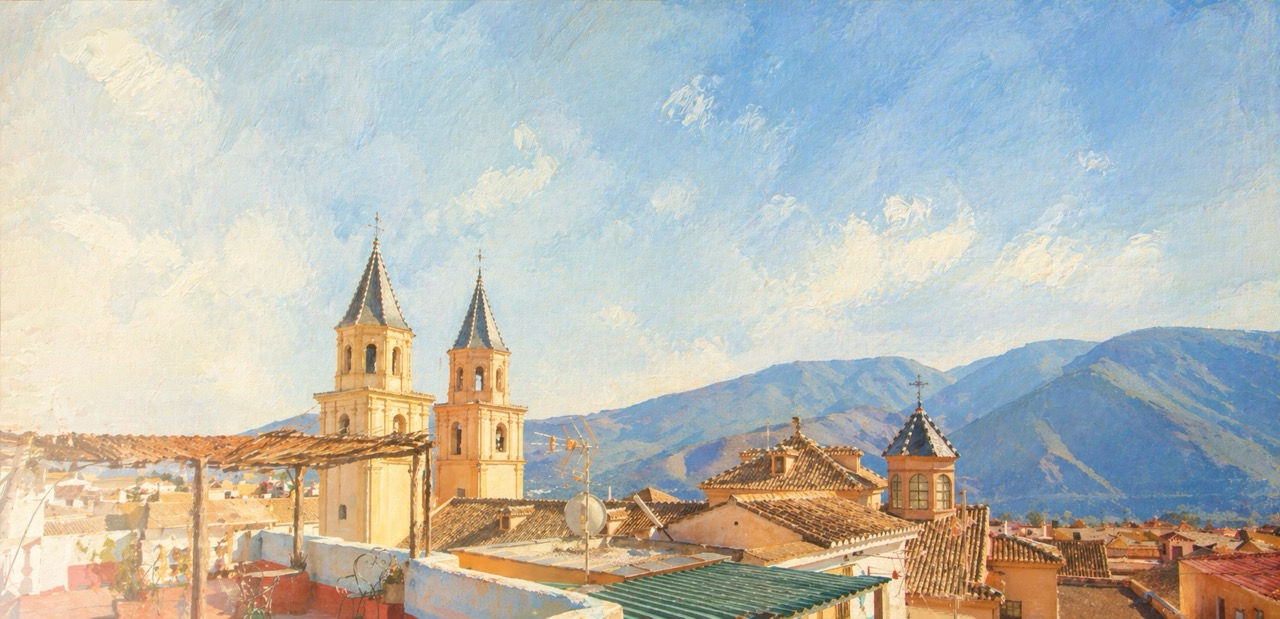
As you walk upward, views open out over the rooftops of Órgiva and across to the coastal mountain ranges on the southern horizon. Almond trees line the edges of the track, blooming with pink and white blossoms in early spring. You can follow the path as far up as your morning schedule permits before turning back for a relaxed downhill stroll.
5. The quiet country lanes to El Morreón
El Morreón represents another historic alternative settlement area within the municipality. The walk to this district follows quiet, narrow lanes enclosed by dry-stone walls and terraced fields.
This route remains quiet during early morning hours. You walk past small groves of citrus trees loaded with lemons or oranges depending on the season. Farmers work steadily in small plots, and narrow water channels run beside the track edge. The path shows how closely rural housing and small-scale agriculture coexist in the lower Alpujarra.
6. The town edge and olive mill loop
This short circular walk stays close to the outer edges of Órgiva, navigating between old olive processing sites, small family vegetable plots, and quiet residential lanes. It is an ideal option if you have limited time before lunch or want a gentle warm-up walk.
The path weaves along dirt tracks framed by prickly pear cactus and stone walls. You get glimpses of everyday valley life: cats resting on warm dry-stone walls, goats grazing in fenced paddocks, and neighbours greeting each other across lower garden gates. The loop returns smoothly into town near central cafés and plazas.
Three things locals do differently
Understanding how long-term residents use the valley tracks helps you experience these walks with greater ease.
Following the water channels: Rather than seeking out paved roads or marked highway trails, locals often walk along the acequias. These unpaved irrigation paths provide shade, natural cooling from moving water, and flat walking surfaces that wind gently around the curves of the hillsides.
Respecting the solar clock: In summer, locals complete their physical activity before mid-morning. They head out early to enjoy the crisp air, returning home or heading to a shaded café before midday temperatures rise across the valley basin.
Treating tracks as shared community space: The rural lanes around Órgiva serve farmers, cyclists, horse riders, and pedestrian walkers alike. Locals walk with awareness, stepping aside to let small agricultural vehicles pass and exchanging friendly greetings with anyone they meet along the trail.
When to come
The valley offers distinct walking conditions depending on the time of year.
Summers are hot and sociable in town. Late afternoon heat gives way to lively evenings, marked by events like the Festival Flamenco Ciudad de Órgiva and live music in the Plaza de las Culturas. For walking, summer requires setting out at dawn to enjoy the cool valley floor before the sun hits the lower slopes.
Winters are mild in Órgiva, even while snow covers the Sierra Nevada peaks standing above the town. Crisp, clear winter mornings provide sharp views across the valley and comfortable conditions for longer walks throughout the day.
Spring brings almond blossoms along the northern foothill tracks, while autumn offers harvest scenery, mild air, and quiet trails. Neither season brings heavy crowds, making both ideal for long-stay visitors and walking enthusiasts.
Where to stay in Órgiva
Ananda's Mundo has welcomed guests since 2002 as a family-run guesthouse in the centre of town. It offers rooms with high ceilings and rooftop views for short and long stays, alongside a hidden garden, Eritrean food with vegan options, fresh juices, smoothies, homemade kombucha, a craft shop with Asian and African crafts, and live music downstairs. To book your stay or ask about room availability, contact WhatsApp +34 681 921 825 or explore our accommodation options at https://www.orgivarooms.com/rooms.
Conclusion
Taking time to explore the valley on foot reveals the unhurried rhythm of life in La Alpujarra. Whether you follow the river bed, track the cool water of an acequia, or walk past ancient olive trees, these morning routes offer a quiet connection to the landscape around Órgiva.
Comments