Wintering in Spain on a Budget: Órgiva Versus the Coast
Why Órgiva for wintering in Spain on a budget
Choosing to spend the colder months wintering in Spain on a budget usually leads travellers straight to the southern coastlines. The default instinct is to search for holiday rental apartments along the Mediterranean shores of Málaga, Almería, or Granada province. On paper, coastal towns suggest warm sea breezes, cheap off-season rents, and simple living. In practice, modern resort towns often feel deserted once the summer crowds depart in October. Shuttered seafood bars, long rows of dark rental balconies, empty promenades, and persistent marine humidity make wintering along the water surprisingly bleak.
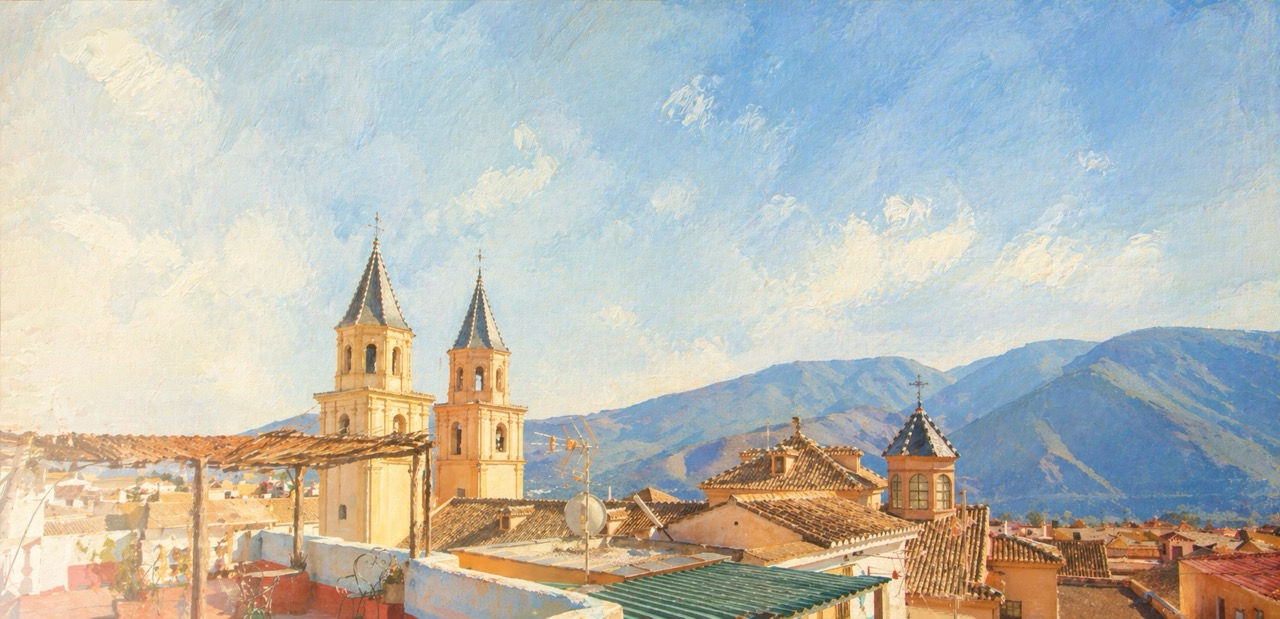
Órgiva offers a completely different rhythm. The small market town sits at an elevation of roughly 450 metres, on the river Guadalfeo, in the western Alpujarra. Instead of relying on seasonal sunseekers, this is an active agricultural and administrative hub where more than 60 nationalities are registered in the municipality. Daily life does not grind to a halt in November. The cafés on the main street remain full of workers, farmers, and long-term residents. Bakeries keep their ovens hot from dawn, local grocery stores remain open, and the scent of burning olive wood drifts down narrow residential streets as the sun begins to set.
The geography of the valley creates a distinct microclimate. While winter storms sweep across northern Europe, this sheltered valley enjoys mild winters with snow on the Sierra Nevada above the town. The high northern peaks catch the worst of the cold northern fronts, protecting the river basin below. Mornings begin with crisp, clear mountain air, while afternoons bring direct, warming sunshine that filters through olive and citrus groves.
Because Órgiva is a working mountain town rather than a dedicated beach resort, the costs of daily life reflect local Andalusian wages rather than tourist markups. A morning coffee with toast remains inexpensive, and weekly living expenses stay predictable. The town gives long-stay visitors an authentic base that is both practical and gentle on the pocket.
The essentials
Wintering in the western Alpujarra requires an understanding of how the valley is laid out and how life runs through the week. While Órgiva feels removed from major urban centres, it is well connected to the rest of the province. Granada is about an hour away by road, making regular trips for regional train links, airports, or museum visits straightforward. The Mediterranean coast, including the working towns of Motril and Salobreña, is roughly 40 minutes away. If you ever miss the sea, you can take a morning bus down to the coast for lunch and return to the mountains before evening temperatures begin to fall.
The town itself is compact and entirely walkable. You do not need a private vehicle for ordinary days, which immediately removes fuel costs, insurance fees, and vehicle rental expenses from your budget. Most daily errands take place on foot between the main avenue, the central plazas, and the residential lanes that slope toward the river.
The anchor of practical life is the weekly market. It takes place on Thursday morning, in the municipal car park in the northern part of town, traditionally running from about 9:00 to 13:30. For anyone staying long term, this market is where you purchase mountain cheese, fresh eggs, seasonal citrus, greens, dried pulses, and crusty loaves. Shopping at the stalls costs considerably less than relying on supermarkets, and the food comes directly from the surrounding valley terraces.
Finding reasonable long-term lodgings depends on timing and preparation. Those who arrive in late autumn can secure modest rooms or village flats at monthly rates far lower than coastal holiday lets. Heating is the main variable to consider: older stone buildings hold the cold, so understanding how a property is heated is one of the few essential technical details to check before committing to a stay. Properties with cast-iron woodburners allow you to heat rooms affordably using local olive wood, avoiding the steep electricity bills associated with portable plug-in heaters.
What actually happens
The difference between overwintering on the coast and overwintering in the valley becomes obvious within your first forty-eight hours.
Along the southern coastline, winter often exposes the structural flaws of tourist accommodation. Coastal apartments are built to stay cool under fierce August heat. In January, without central heating or thick masonry, those same ceramic-tiled rooms become damp and chilly. You often find yourself running inefficient electric fan heaters around the clock while looking out over grey waves and closed beachfront kiosks. Beyond a handful of expat bars, there is little informal public life once the package holiday flights dry up.
In Órgiva, the valley lives by an unbroken schedule rooted in farming and long-standing settlements. The town serves as the central meeting point for several distinctive communities. Since the 1970s, three alternative communities have been part of the valley: Beneficio (towards Cañar), Cigarrones (in the riverbed below Tablones), and El Morreón. The presence of these settled groups, alongside traditional Spanish farming families, creates a unique social fabric. On any given morning, local olive growers in blue work jackets drink dark coffee beside Dutch artists, British musicians, and young families speaking German or French.
Your days take on an unhurried, productive pattern. Morning temperatures are brisk, so locals start their outdoor tasks under the midday sun. After picking up produce from the greengrocers or attending the Thursday market, people drift into open terraces to read, talk, or work on creative projects. Life here does not demand heavy spending. Walking trails follow ancient stone water channels and olive groves directly out of the centre of town, offering free access to the high hills without the need for expensive gym memberships or transport tickets.
Excursions into the higher mountains are easy. The Poqueira villages — Pampaneira, Bubión, and Capileira — are an easy day trip uphill, where whitewashed flat roofs cling to the gorge walls under the high peaks. Further east, Trevélez is one of the highest villages in Spain and known for its jamón, where cold mountain breezes cure the hams through the winter months. If you wish to read more about planning a season in these mountains, take a look at our guide to [[winter-in-the-alpujarra]].
The winter atmosphere is social without being overwhelming. You do not need to pay admission fees to find conversation. People meet on street corners, beside market stalls, or outside local bakeries. Because so many residents have come from elsewhere and chosen this valley consciously, newcomer fatigue does not exist in the way it does in transient beach strips.
Three things locals do differently
1. Follow the sun across the day
Long-time residents never stay indoors during the middle of the day. Because the sun provides genuine warmth between late morning and late afternoon, locals arrange their outdoor activities, walks, and writing hours for this window. When the sun sinks behind the southern ridge of the valley, temperatures drop quickly. Experienced residents retreat indoors early, light their wood stoves, cook hearty evening meals, and keep their living spaces warm without depending on expensive electric heating.
2. Shop on Thursday and trade with neighbours
The weekly market is not a tourist novelty; it is a fundamental economic system for the valley. Locals do not buy their fresh vegetables in pre-packaged supermarket punnets. They wait for Thursday morning, head up to the municipal car park in the northern part of town, and purchase directly from the growers. Many residents also trade produce over garden gates: a surplus of sweet oranges or pomegranates from an orchard is regularly swapped for firewood, sourdough loaves, or fresh herbs. Participating in this loose network of exchange keeps food bills remarkably low.
3. Embrace foot travel over vehicle dependence
Newcomers often assume they need an all-terrain vehicle to navigate life in the western Alpujarra. Locals know that running a car through the narrow town streets is an unnecessary headache and an ongoing expense. Most everyday needs can be reached within a ten-minute walk. When residents need to reach higher villages or travel to Granada, they use the regional bus services that stop along the main avenue. By skipping car rental fees, fuel, and parking struggles, long-stay visitors dramatically lower their baseline budget.
When to come
The winter season in Órgiva runs from November through to the end of March.
November brings the transition into mountain winter. The leaves on the poplars along the river Guadalfeo turn bright yellow, the chestnut harvests finish in the higher hills, and the first snowfalls dust the Sierra Nevada peaks. The town settles into its calmest, most focused state.
December and January are the quietest and crispest months. Days are regularly blue and rainless, with brilliant daylight that makes sitting outside comfortable. Nights are cold, requiring warm woollens and reliable indoor heat. This is the favoured period for writers, musicians, and painters who need uninterrupted focus and long, quiet evenings.
By February, the almond blossom spreads across the lower terraces, bringing soft pink and white flowers against the backdrop of the grey slate mountains. Midday temperatures begin to climb noticeably, and the valley starts to wake up for spring.
This contrasts sharply with the summer months in Órgiva, which are hot and sociable. In the height of summer, social life shifts entirely into the late evening, highlighted by the Festival Flamenco Ciudad de Órgiva and music in the Plaza de las Culturas. If you are looking for peaceful days, affordable lodgings, and quiet work spaces, the winter months are far more suitable than the peak heat of July and August.
Where to stay in Órgiva
Ananda's Mundo has welcomed guests since 2002, offering peaceful rooms with high ceilings and rooftop views across the valley and mountains. The guesthouse accommodates both short and long stays, featuring a hidden garden, an Eritrean kitchen with wholesome vegan options, fresh juices, smoothies, homemade kombucha, a craft shop full of Asian and African crafts, and live music downstairs. You can arrange your stay directly by messaging WhatsApp +34 681 921 825 or by viewing details on https://www.orgivarooms.com/rooms.
Conclusion
Spending the winter inland among the olive trees replaces the sterile quiet of the coast with an active, welcoming community. The combination of mountain sun, walkable streets, and sensible everyday prices makes Órgiva a natural choice for an extended stay. Pack your woollens, bring your work or your walking boots, and settle into the quiet warmth of the valley.
Comments